Table Of Content
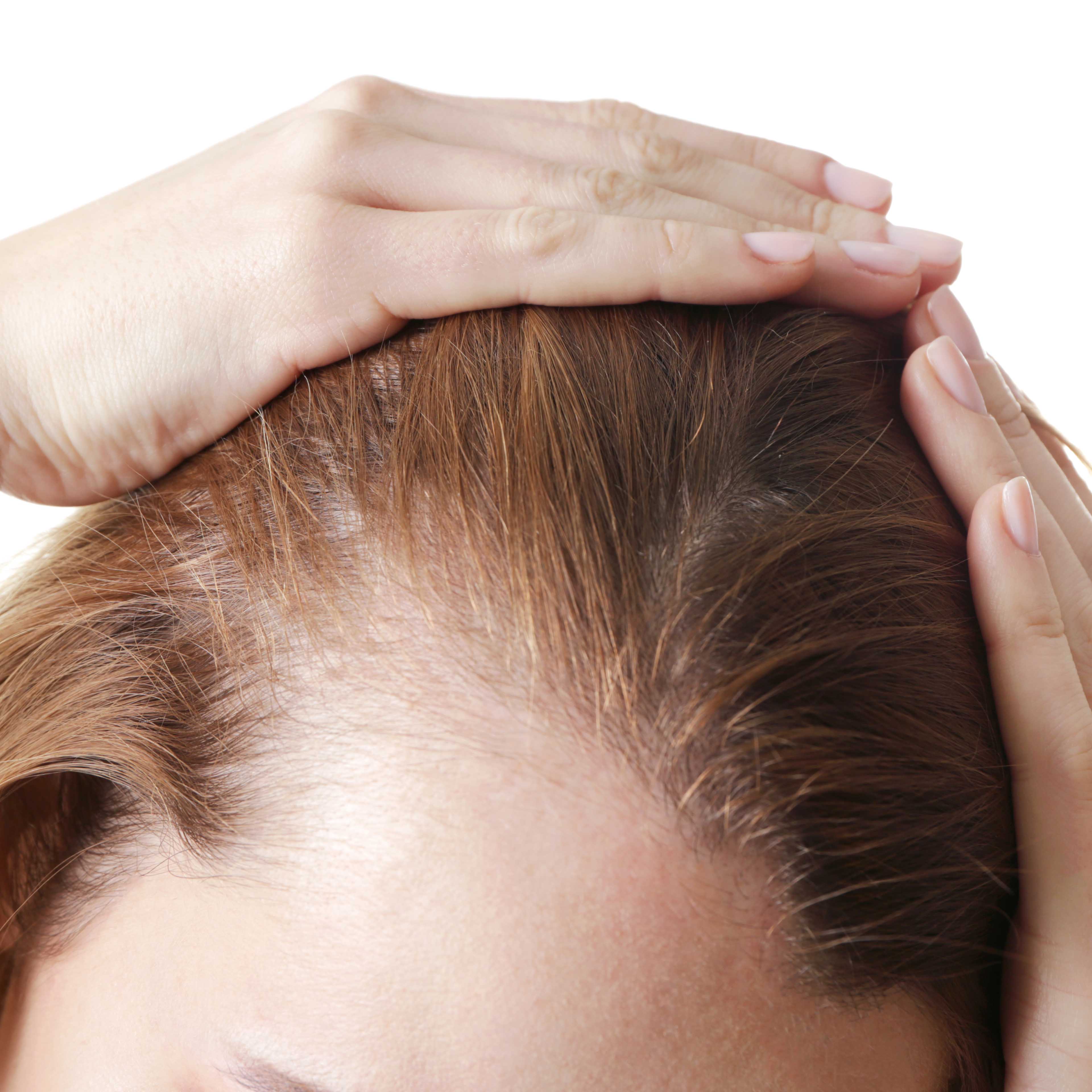
These symptoms are characteristic of the polycystic ovarian syndrome (PCOS) although the majority of women with PCOS do not experience hair loss. Less often, congenital adrenal hyperplasia may be responsible. People are less likely to develop female pattern baldness before midlife and are more likely to start losing hair once they get into their 40s, 50s, and beyond.
From Mayo Clinic to your inbox
Minoxidil, also known as Rogaine, is approved by the Food and Drug Administration (FDA) for the treatment of alopecia areata or androgenic alopecia. In fact, you probably lose between 50 and 100 single hairs each day, according to the American Academy of Dermatology (AAD). In the most common type of permanent hair loss, only the top of the head is affected. Hair transplant, or restoration surgery, can make the most of the hair you have left. This usually isn't noticeable because new hair is growing in at the same time.
Changing your hair care (or hairstyle) may help

If possible, talk with your doctor to address your concerns and rule out any serious underlying medical concerns that may be causing your hair loss. Typically, the most common types of hair loss are treated with topical or oral medications, which will likely be the first course of treatment. Hair loss related to androgenic alopecia tends to happen gradually. While some people might experience hair loss as early as puberty, others might not notice symptoms until their middle ages.
Can female pattern baldness be prevented?
FPHL can affect women in any age group, but it occurs more commonly after menopause. The hair loss process is not constant and usually occurs in fits and bursts. It is not uncommon to have accelerated phases of hair loss for 3–6 months, followed by periods of stability lasting 6–18 months. Without medication, it tends to progress in severity over the next few decades of life.
The role of vitamins and minerals in hair health: Essential nutrients for strong and healthy hair
If this happens to you, talk to your doctor about supplements. To use minoxidil, you apply it to the scalp as directed, usually once or twice a day. Some research connects excess intake of vitamin A or selenium with an increased risks for hair loss. It is worth noting that this method is unlikely to benefit or help people with scarring alopecias. They may also order blood tests to check for any nutrient deficiencies or signs of an underlying condition.
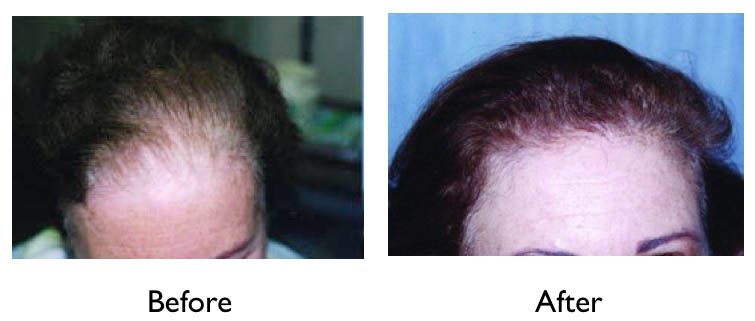
The laser devices help increase blood circulation and remove waste in the follicle to support natural hair growth and help thicken existing hair. The majority of women affected by FPHL do not have underlying hormonal abnormalities. However, a few women with FPHL are found to have excessive levels of androgens. These women also tend to suffer from acne, irregular menses and excessive facial and body hair.
How do trees and green spaces enhance our health?
Traction alopecia is the result of environmental factors, such as wearing your hair in tight hairstyles, Agbai says. Telogen effluvium refers to the excessive shedding of hair follicles, and it occurs when hair follicles prematurely skip to the end of the hair growth cycle, she adds. Everyone is born with a fixed number of hair follicles on the scalp that produce hairs throughout life. Hair grows from the base of the follicle at a rate of about one centimetre a month for about three years. After anagen, the hair dies (catagen hair) and no longer grows. It sits dormant in the follicle for a three-month phase called telogen.
Medications
Should you see regrowth, you will need to keep using it every day. Sometimes to see regrowth, you need to make some changes. Your dermatologist can tell you whether your hair may start to grow again on its own. Hair loss can also be a side effect of some medications, especially chemotherapy medications to treat cancers. If you’re currently losing hair, use a gentle baby shampoo to wash your hair.
Mayo Clinic Minute: Expert advice for women with thinning hair - Mayo Clinic
Mayo Clinic Minute: Expert advice for women with thinning hair.
Posted: Sun, 28 Jan 2024 08:00:00 GMT [source]
More than half of all women experience noticeable hair loss over time. When it comes to hair loss, you'll find a lot of misinformation. For instance, do you know the signs of hair loss in women? Can you tell the difference between hair loss that's temporary and hair loss that needs treatment? And while the signs might not be as obvious as in men, about 55% of women experience some hair loss by the time they're 70. Treatments to prevent or stop it can help many women who are losing their hair.
10 Hairstyles That Disguise Hair Loss and Thinning - InStyle
10 Hairstyles That Disguise Hair Loss and Thinning.
Posted: Thu, 25 Apr 2024 13:44:00 GMT [source]
You’ll receive injections at multiple sites in the affected area to encourage new hair growth, which you could notice as soon as 4 weeks after treatment. It’s always a good idea to talk to your doctor about hair loss, since they can help identify any medical conditions contributing to hair loss and recommend the right treatment. You can often resolve nutrient deficiencies with dietary changes or supplements, though it never hurts to get guidance from a doctor or registered dietitian first. A trained healthcare professional can help identify and treat nutrient deficiencies caused by an underlying medical condition. If your hair loss is caused by an underlying disease, treatment for that disease will be necessary. If a certain medication is causing the hair loss, your doctor may advise you to stop using it for a few months.
Many start to notice the early stages of female pattern baldness after menopause. Hair loss is complicated, with no shortage of causes and potential factors at plan. Part one of your plan is to figure out what's behind your shedding—nine times out of 10 that involves seeing your dermatologist. By doing a complete assessment, evaluating your hair loss, checking labs, and considering your medical and family history, she can help you get to the root of the issue as quickly as possible. Once that’s figured that out, they’ll help you determine the most effective treatment path to take, be that a mix of prescription meds, at-home products, or in-office procedures. Autoimmune diseases essentially trick your immune system into attacking healthy body tissue by mistake.
Androgenic alopecia causes the normal hair growth cycle to shorten. As a result, hair doesn’t grow as long or thick as it normally would. Some women may even notice hair growth changes after going off hormonal birth control pills. Hormonal changes of any kind, particularly falling estrogen levels, can temporarily disrupt the hair life cycle. Another cause of hair loss is called telogen effluvium (TE), which is typically temporary.
Triggers for other types of hair loss range from inflammatory scalp conditions, like eczema, to an underlying health concern, such as an autoimmune condition. Some degree of hair loss is healthy and unnoticeable — people lose around 50 to 100 hairs a day on average. Traction alopecia occurs in women whose hair styles or practices consistently put a lot of pressure on the hair (think tight braids or ponytails or extensions). The only problem is that it’s totally up in the air as to when or how this will happen. “The only thing predictable about alopecia areata is that it’s unpredictable,” says Dr. Piliang. She adds that the condition can come and go, seemingly without reason, and manifests as smooth, bald areas in dime-, quarter-, or silver dollar-sized patches on either the scalp or body.
Giving birth, rapid weight loss, surgery and certain illnesses may cause more hair loss than usual, typically in the resting phase. With an accurate diagnosis, many people who have hair loss can see hair regrowth. If you need treatment for regrowth, the earlier you start, the more likely you are to see regrowth.
However, you have to follow directions exactly and use the product indefinitely. Don’t use this product if you’re pregnant, if you plan to get pregnant or if you’re breastfeeding (chestfeeding). In addition, a healthcare provider might recommend forms of light therapy like using the HairMax Lasercomb®. Another FDA-approved laser product is the Theradome LH80 PRO® helmet and low-light laser helmets and caps. These changes happen due to varying levels of hormones during menopause. Meanwhile, “the goal of a serum is to target the hair follicle directly by delivering compounds that may allow for improved or optimal hair growth,” says Dr. Mirmirani.


No comments:
Post a Comment